Step into the cozy, often overlooked corners of Middle-earth, and you'll soon find yourself charmed by its inhabitants: the Hobbits. Their world is one of comfort, good food, and remarkably practical, yet endearing, traditions – not least among them, their unique way of naming themselves. If you've ever pondered the familiar ring of "Baggins" or the rustic charm of "Gamgee," you’re delving into the heart of Understanding Hobbit Naming Conventions. These aren't just labels; they're tiny windows into the very soul of the Shire.
Unlike the ancient, often mystifying nomenclature of Elves or the guarded, multi-layered identities of Dwarves, Hobbit names resonate with a warmth and relatability that feels distinctly human. They tell a story of family, community, and the simple joys of home, often in ways that make you smile.
At a Glance: The Quirks of Hobbit Names
- Birthright and Lifelong Use: Hobbits receive a single, cherished first name at birth, which stays with them throughout their lives.
- Family First: They always have a distinct family name, often reflecting local geography or a family’s long history.
- Marital Tradition: Women traditionally adopt their husband's family name upon marriage, reinforcing family lines.
- Affections and Nicknames: Shorter names stand alone, but longer, more elaborate ones often inspire affectionate, often one-syllable nicknames.
- Gendered Patterns: Girls frequently bear names inspired by flowers or precious jewels, while boys' names often stem from older languages, their original meanings lost to time but their charm enduring.
- The Common Tongue: Most Hobbit names are in Westron, the Common Tongue of Middle-earth, which Tolkien thoughtfully translated into forms of English for the reader.
- A Touch of Flair: Occasionally, families might adopt names from other languages for their aesthetic appeal, adding a dash of the unconventional to Shire life.
The Foundations: Why Hobbit Names Feel So Familiar
From the moment Bilbo Baggins first introduces himself, Hobbit names strike us as wonderfully accessible. There’s no need for lengthy explanations of hidden meanings or ancient lineages in every casual encounter. This immediate familiarity isn't an accident; it's a deliberate design choice by Tolkien, reflecting the Hobbits' down-to-earth nature and their deep connection to the Common Tongue, or Westron.
Imagine the linguistic landscape of Middle-earth as a rich tapestry. While Elves speak in flowing, ancient languages and Dwarves guard their secret tongue, Hobbits predominantly speak Westron. For our benefit as readers, Tolkien translated Westron into English, which is why a Hobbit’s name feels as natural as "Samwise Gamgee" or "Frodo Baggins." This translation choice instantly grounds us in the Shire, making its inhabitants feel like distant, delightful cousins rather than utterly alien beings.
Their naming conventions are, in many ways, an echo of human traditions. You get a first name, a last name, and sometimes a nickname. It’s a system built for clarity and community, not for shrouding identities in mystery or proclaiming grand, forgotten heritage.
First Names: A Blend of Rustic Charm and Subtle Nobility
Hobbit first names offer a fascinating dichotomy, especially when you look at the choices for boys and girls. These preferences aren't just random; they subtly reinforce gender roles and societal values within the Shire, all while maintaining that characteristic Hobbit charm.
Boys' Names: Echoes of Yesteryear
Hobbit boys often receive names that, to the average Shire-folk, come from "old languages" whose original meanings have largely been forgotten. Think of names like Frodo, Bilbo, Samwise, Peregrin, and Meriadoc. While Tolkien meticulously crafted these names with specific (and often Germanic or Old English) etymologies in mind, the Hobbits themselves wouldn't necessarily know their origins. For them, these names simply are.
- Frodo: Sounds sturdy and adventurous, yet kind.
- Bilbo: Evokes a sense of comfort and a perhaps a hint of past journeying.
- Samwise: Literally "half-wise" or "simple-minded," but used as a term of endearment, suggesting loyalty and common sense—qualities essential to a good Hobbit.
- Peregrin ("Pippin"): Carries a sense of a journey or "pilgrim," fitting for one who ventures far from home.
- Meriadoc ("Merry"): Suggests merriment and joy, often linked to nobility in Old English.
These names carry a weight of tradition, even if their precise ancient meanings are lost. They imbue the boys of the Shire with a sense of enduring lineage, a connection to the long, peaceful history of their people. They sound robust, reliable, and perfectly suited to a life of farming, storytelling, and unexpected adventures.
Girls' Names: The Garden and the Jewel Box
In delightful contrast, Hobbit-maids are frequently adorned with names drawn from the natural world, specifically flowers, or from precious jewels. This tradition paints a vivid picture of the beauty and delicate strength valued in the women of the Shire.
- Flower Names: Rose (or Rosie Cotton), Daisy, Primrose, Lily, Belladonna (Bilbo’s mother), Poppy. These names connect them directly to the lush, fertile landscape of the Shire, suggesting grace, beauty, and a deep rootedness in their home.
- Jewel Names: Esmeralda, Pearl, Ruby. These names, though less common than flower names, add a touch of sparkle and implied value, suggesting inner worth and perhaps a hint of elegant refinement.
These choices are far from frivolous. They suggest a deep appreciation for nature and beauty, qualities often cultivated and cherished within Hobbit homes. A Hobbit-maid's name often tells you something of the gentle, vibrant spirit she is expected to embody.
Family Names: Roots in the Earth and Community
Hobbit family names are perhaps the most immediately recognizable aspect of their naming system. They're often short, punchy, and utterly evocative of Shire life. Like first names, family names are primarily in Westron, translated into English to give them a familiar feel.
Consider the famous surnames: Baggins, Gamgee, Took, Brandybuck. These aren't merely labels; they often hint at a family's history, their dwelling, or even a defining characteristic.
- Baggins: Suggests a comfortable, perhaps rotund, lifestyle, or living in a "bag" (a hobbit-hole). It perfectly encapsulates the comfort-loving, well-fed nature of its most famous bearers.
- Gamgee: Sounds earthy, perhaps derived from "gamwich," a kind of surgical cotton. For Samwise, it perfectly fits his practical, garden-loving, salt-of-the-earth persona.
- Took: Implies an adventurous spirit, as in "to take" a journey or "to undertake" a quest, a fitting name for the most adventurous of Hobbit families.
- Brandybuck: Clearly linked to the Brandywine River, indicating their unique dwelling across its waters and their ancient lineage.
The Bonds of Matrimony: Adopting a New Identity
Upon marriage, it's customary for the female Hobbit to adopt her husband's family name. This practice further solidifies family lines and emphasizes the importance of new household units within the tightly-knit community of the Shire. It’s a simple, straightforward tradition that aligns with many human cultures, underscoring the universal theme of family formation.
Nicknames and Reciprocal Naming: The Warmth of Affection
Hobbits are sociable creatures, and their naming traditions extend beyond formal designations to include a delightful array of nicknames and a practice known as reciprocal naming. These elements infuse Hobbit interactions with warmth, intimacy, and a sense of belonging.
The Art of the Nickname
Not every Hobbit name gets a nickname. Shorter, one- or two-syllable names like Bilbo, Frodo, and Sam typically stand on their own. However, for longer, more elaborate first names, nicknames are common, and they usually carry meaning. Often, they’re delightfully simple, derived from the first part of the full name.
- Peregrin Took becomes the memorable Pippin.
- Meriadoc Brandybuck is affectionately known as Merry.
These nicknames aren't just shorter versions; they often encapsulate a character's essence or are used as terms of endearment within close circles. "Pippin" has a youthful, apple-like freshness, while "Merry" suggests a cheerful disposition. They bridge the gap between formal identity and informal familiarity, strengthening social bonds.
Reciprocal Naming: A Mark of Community
The practice of reciprocal naming—where Hobbits name each other after one another—is a testament to their strong community ties. It’s not about grand gestures or monuments, but about honoring friends, family, and admired figures within their immediate circle. This might involve naming a child after a beloved grandparent, a respected neighbor, or even a close friend. This tradition weaves a rich web of personal connections throughout the Shire, creating a living history where names echo through generations and across family lines. It's a subtle yet powerful way to ensure that no one is truly forgotten and that community bonds are perpetually renewed.
The Westron Connection: Tolkien's Linguistic Bridge
At the core of Understanding Hobbit Naming Conventions lies Westron, the Common Tongue. Tolkien's genius was not just in creating languages, but in presenting them to us in an accessible way. By translating Westron into various forms of English (from Old English for Rohirric to modern English for Westron), he made Middle-earth feel both ancient and intimately understandable.
For Hobbits, Westron is their everyday speech, their cultural bedrock. Their names, therefore, are designed to sound familiar and homely to us. This choice is deliberate, forging an immediate connection between the reader and the inhabitants of the Shire. It ensures that when you read "Farmer Maggot" or "Lobelia Sackville-Baggins," you instantly grasp their essence without needing a linguistic glossary.
However, Hobbits aren’t entirely immune to the allure of the exotic. Occasionally, for aesthetic reasons or perhaps to signify a touch of aristocratic flair, some Hobbit families might adopt names from other languages. The Brandybucks, for instance, with their more adventurous spirit and larger family, might be more prone to this. This selective adoption shows that even in the conservative Shire, there’s room for a little linguistic fancy, adding another layer to their charming naming tapestry.
Beyond the Shire: How Hobbit Names Differ
To truly appreciate the elegant simplicity of Hobbit naming, it helps to briefly glance at the highly complex systems employed by other races in Middle-earth. These contrasts highlight the Hobbits' unique cultural values.
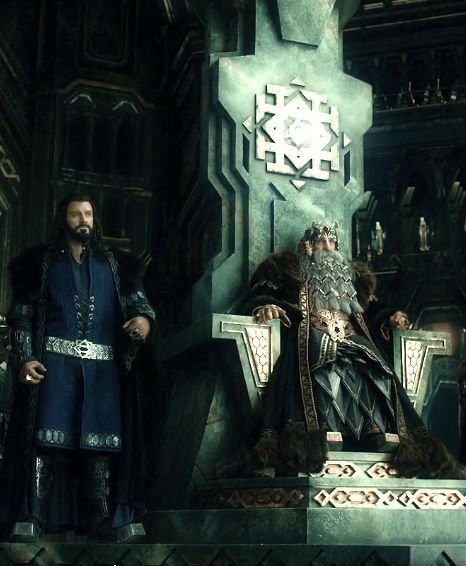
Consider the Dwarves, for instance. Their naming conventions are a labyrinth of identity, far removed from the open book of a Hobbit's name. Dwarves possess at least four distinct types of names, each with its own layer of secrecy and purpose:
- Outer Name: This is their openly used, first name, like "Thorin" or "Balin." These names were often drawn from the language of the Men of Dale (translated as Old Norse in Tolkien’s work), allowing for easier interaction with non-Dwarves.
- Inner Name: This is a Dwarf's true, secret name, given at birth and never spoken aloud except on the rarest, most sacred ceremonial occasions. It’s so guarded that revealing it could lead to exile. Even on tombstones, only outer names are recorded.
- Descriptive Name or Epithet: These are earned, not inherited, and openly describe a Dwarf’s character or deeds, like "Oakenshield" for Thorin or "Ironfoot" for Dáin. While sometimes translated into the Common Tongue in later ages, these epithets could originally be in Khuzdul, the Dwarves' secret tongue, showing that not all of Khuzdul was kept hidden.
- Patronymic Name: Signifying "son of [father's outer name]," these indicate lineage, such as "Balin Fundinul" (meaning "son of Fundin"). This could be spoken in Westron for introductions or inscribed in Khuzdul for formality.
Furthermore, Dwarves also indicate their clan lineage, like "of the Longbeards." Formal introductions could involve multiple names, patronymics, and titles.
This complex, multi-layered, and often secretive system for Dwarves stands in stark opposition to the Hobbits. Hobbits have no secret inner names, no ancient language spoken only among themselves, and their epithets (like "Longbottom" or "Brandybuck") are family names, not personal achievements. This difference isn’t just linguistic; it speaks volumes about their respective cultures. Hobbits value openness, community, and straightforwardness, while Dwarves carry the weight of ancient secrecy, clan honor, and a deep-seated caution towards outsiders. This contrast solidifies the notion that Hobbit names are fundamentally about connection, not concealment.
Common Questions About Hobbit Naming
The straightforwardness of Hobbit names often leads to a few common inquiries:
Are all Hobbit names just "English" names?
Not quite. While Tolkien translated them into English to make them accessible, they are technically Westron names. He chose English equivalents that captured the essence and sound of the original Westron names. Occasionally, some Hobbits might adopt names from other languages for their aesthetic appeal, but the core is Westron.
Do Hobbits have middle names?
Generally, no. Their naming structure is typically a first name followed by a family name. While some might have several given names in more elaborate circles, the simple "Firstname Lastname" is the norm in the Shire.
Why do some Hobbits have such "fancy" names like Peregrin or Meriadoc?
These names, while sounding more formal than "Sam" or "Frodo," still fit the "old languages, forgotten meanings" category for boys. They tend to be found more among the "upper crust" of Hobbit society, like the Tooks and Brandybucks, who historically had a bit more wanderlust or a grander lineage than the average Shire-Hobbit. This adds a touch of subtle class distinction within the overall charming simplicity.
Are Hobbit names linked to their physical appearance or personality?
While not explicitly stated as a rule, there's a strong thematic link. For instance, the "Baggins" name resonates with comfort, and the "Gamgee" name with earthiness. These often feel like they fit the characters perfectly, a testament to Tolkien's careful crafting. Nicknames, especially, often highlight personality traits (e.g., "Merry" for Meriadoc).
Crafting Your Own Hobbit Identity: A Practical Guide
Understanding the conventions isn't just an academic exercise; it's an invitation to immerse yourself deeper into Middle-earth! If you’re looking to find a name that would fit right into the Shire, here’s how you can apply the beloved Hobbit traditions:
- Choose a First Name Based on Gender:
- For a Boy: Opt for a name that sounds traditional, perhaps a bit archaic, but still friendly. Think names from Old English, Germanic roots, or simply ones that have a comfortable, well-worn feel. Consider names like Milo, Hamfast, Odovacar, Gorbadoc, or Everard.
- For a Girl: Lean into nature's beauty or simple elegance. Flower names are always a safe and charming bet (Marigold, Daisy, Iris, Pansy), as are the occasional jewel names (Opal, Sapphire, Beryl).
- Select a Family Name with Shire Flair: Think about names that evoke rustic living, common occupations, or natural features.
- Occupations/Traits: Bagshot, Goodchild, Proudfoot, Cotton, Burrowes.
- Nature/Location: Sandybanks, Greenhill, Orchard, Overhill, Willowood.
- Whimsical: Bolger, Chubb, Hornblower.
- Consider a Nickname (if your first name is long): If you've chosen a longer first name (like Eglantine or Gerontius), think about a natural, shorter version. "Eggy" or "Geron" could work! This adds a layer of familiarity and warmth.
- Embrace the Simplicity: Remember, Hobbit names are not about grandeur or obscure meanings (to the Hobbits themselves, at least). They are about belonging, community, and a comfortable existence. Don't overthink it; trust your gut for what feels right for a Hobbit.
Ready to find your perfect Shire identity? Let a bit of whimsy guide you. You can even Generate your hobbit name to get started with ideas that perfectly capture the spirit of the Shire.
The Enduring Charm of Hobbit Names
The sheer delight in Understanding Hobbit Naming Conventions lies in their understated charm and profound relatability. These are names that whisper of quiet lanes, bustling pantries, and the simple, enduring comforts of home. They aren't designed to impress or intimidate, but to invite and welcome. In a world of ancient evils and epic quests, the familiar ring of a Hobbit's name—whether it's the humble Gamgee or the venerable Baggins—serves as a constant, comforting reminder that even the smallest among us can possess the greatest hearts. Their names, like the Hobbits themselves, are a timeless testament to the power of goodness, friendship, and a truly excellent meal.